

Straight out of the box, a finished paint by numbers canvas can look slightly "blocky" where one numbered color meets the next — technically complete, but visibly made of flat, separate patches rather than one continuous scene. A few simple blending techniques close that gap almost entirely, and none of them require any painting experience beyond what's already in the kit.
Why Blending Makes Such a Big Difference
The hard edges between colors are the single biggest giveaway that a painting was filled in section by section. Softening those transitions is what makes the difference between a canvas that looks handmade in a good way and one that looks like it was colored in strictly by the numbers — and it takes only a few extra minutes per section.
Basic Blending Technique
While two adjacent colors are still wet, lightly drag a clean, dry brush back and forth across the border between them. This softens the hard line without mixing the colors into mud, as long as you don't overwork it or blend past the printed number lines. It's the single easiest technique to start with and gives a noticeably smoother result almost immediately.
Wet-on-Wet Shading
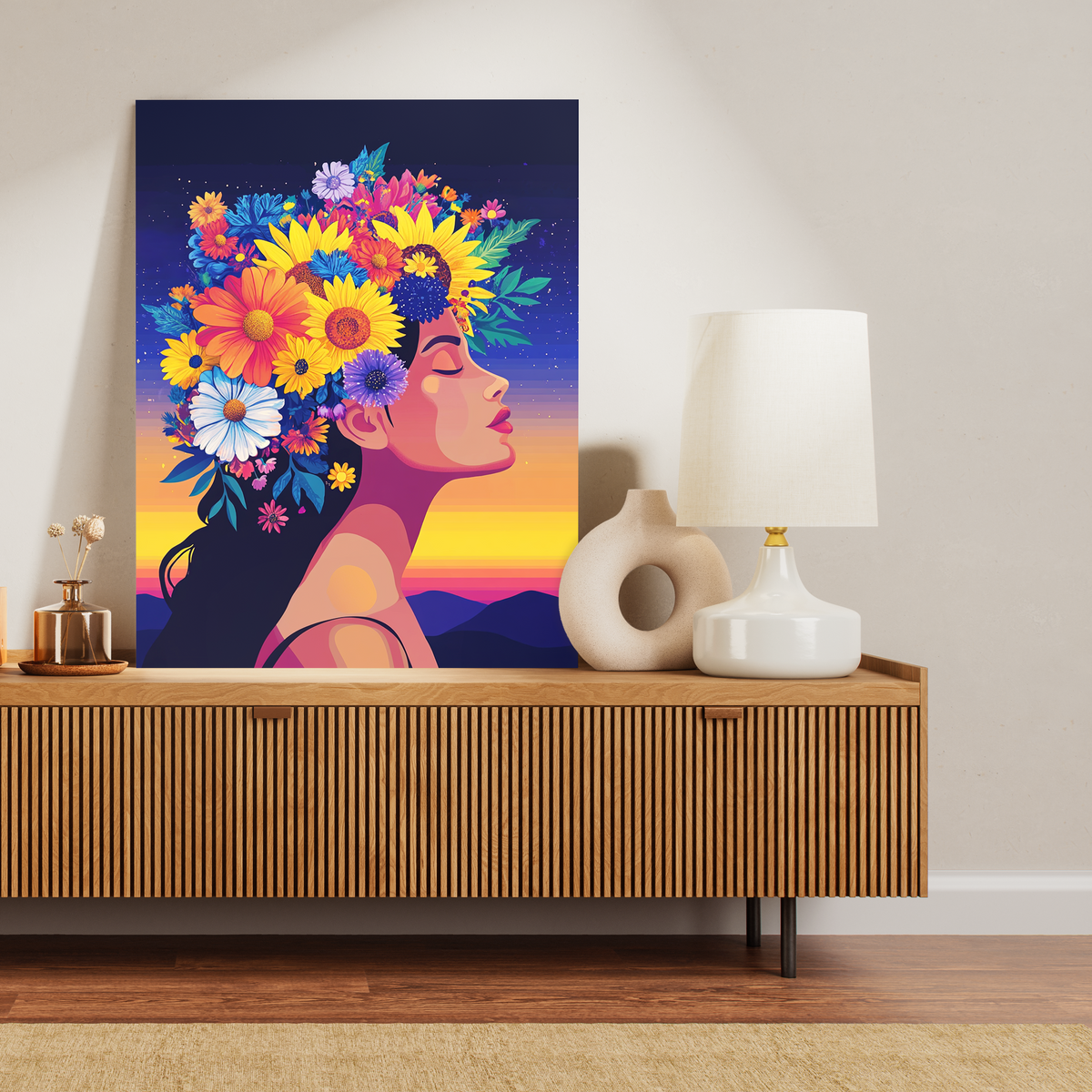
For areas that need a gradient — skies, water, fur — paint the darker shade first, then immediately add the lighter shade next to it while both are still wet, blending gently at the seam with a clean brush. This creates a smoother, more natural transition than two flat blocks of color placed side by side, and it's especially effective on landscape scenes with large sky or water sections, like our nature and landscape designs.
Dry Brushing for Texture
For textured surfaces such as grass, fur, or tree bark, load a small amount of paint on a dry brush, wipe off most of it, then lightly drag it across the surface. This adds subtle texture instead of a completely flat color fill, which is particularly useful on animal-themed canvases where fur texture makes a real visual difference.
Layering for Depth
Once the base coat is fully dry, a very light, almost transparent layer of a slightly darker or lighter shade over part of a section can add real depth — useful for shadows under objects or subtle highlights on curved surfaces like fruit or faces. This is an easy technique to add late in a project, once you've already built confidence with the basics.

Frequently Asked Questions
Do I need extra paint to blend colors?
No — most blending techniques use only the colors already included in your kit, applied while still wet.
Will blending mess up the numbered lines?
Not if you blend gently and stay close to the border — the printed lines act as a natural boundary once the base colors are filled in.
What's the easiest technique for a beginner to start with?
Basic wet-edge blending between two adjacent sections is the easiest starting point and gives a noticeably smoother result with almost no added effort.
Ready to practice these techniques? A landscape or nature design offers plenty of large, gradient-friendly areas to start with.



Leave a comment
This site is protected by hCaptcha and the hCaptcha Privacy Policy and Terms of Service apply.